Chytridiomycosis
Chytridiomycosis is an often fatal infectious skin disease that seriously affects amphibians. The condition is caused by chytrid fungi. Two types of this fungus have been responsible for enormous die offs in amphibian populations around the world. Some scientists have called it the worst infectious disease ever recorded among vertebrates in terms of the number of species affected.
Batrachochytrium salamandrivorans (Bsal)
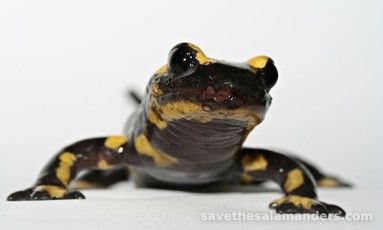
The fungus Batrachochytrium salamandrivorans has been responsible for severe declines in salamander populations across Belgium and the Netherlands. The Fire Salamander (Salamandra salamandra) has been particularly devastated. In some areas, the population has declined to just 4 percent of what it was in 2010. The mortality rate of Bsal is a staggering 96 percent.
Bsal has already wiped out entire Fire Salamander populations in parts of northern Europe. The fungus has also been confirmed in Alpine Newts in Belgium. Laboratory tests have shown that the fungus is also fatal to American salamander species, which is particularly alarming given that North America is the most salamander diverse continent on Earth.
The fungus is believed to have originated in Asia, where many native salamander species have evolved natural resistance over millions of years. It is thought to have been introduced to Europe through the international pet trade, carried by imported Asian newts that showed no symptoms.
The Threat to North America
If Bsal were to reach North America, it could decimate salamander populations on a catastrophic scale. North America accounts for roughly 50 percent of the world's salamander species. Many of these species exist nowhere else on Earth. The Appalachian region alone is home to more salamander species than any comparable area on the planet. The introduction of Bsal to this region would be an ecological disaster.
How Chytrid Kills
Chytrid fungi attack the keratin in amphibian skin. Because amphibians rely on their skin for breathing, water absorption, and electrolyte regulation, damage to the skin quickly becomes fatal. Infected animals often become lethargic, lose their appetite, and may be seen sitting out in the open rather than hiding as they normally would. Death can occur within weeks of infection.
What Can Be Done
Researchers around the world are working on probiotic treatments, antifungal agents, and captive breeding programs for the most vulnerable species. Strict biosecurity measures in the pet trade, including mandatory health screening of imported amphibians, are considered essential to preventing further spread.
Related
The Bsal fungus is part of a broader set of threats facing salamanders today. Learn about climate change impacts, find out how you can help, and read about the import ban designed to keep Bsal out of North America.